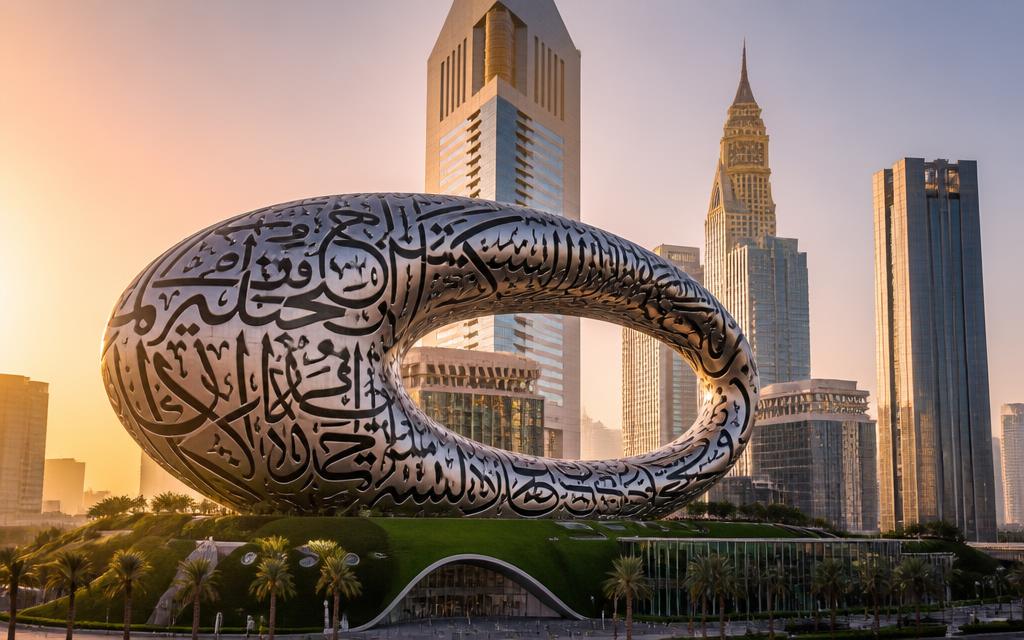
Every technology generation has a geography that defines it. For the coming decade, a strong argument can be made that the most interesting place in the world to build, deploy and scale technology is the Middle East.
This is not a claim about hype. It is an observation about the rare alignment of three forces: ambition at national scale, capital prepared to back that ambition, and a velocity of adoption that more established markets struggle to match.
Ambition with resources behind it
Across the UAE and Saudi Arabia in particular, technology and AI are not peripheral policy interests — they sit at the centre of national economic strategy. Diversification agendas have created genuine urgency: governments and enterprises are not asking whether to transform, but how fast they can.
That urgency matters. In many markets, transformation programmes die slowly in committees. In the Gulf, decisions get made, capital moves, and organisations are willing to redesign themselves around new capabilities rather than defending legacy structures.
In many markets transformation dies slowly in committees. In the Gulf, decisions get made, capital moves, and organisations are willing to redesign around new capabilities.
A different kind of opportunity
What excites me most is the greenfield character of the opportunity. Many organisations across the region carry less legacy technology debt than their Western peers. Combined with investment capacity, that creates the conditions for genuine leapfrogging — building AI-native operating models rather than retrofitting intelligence onto decades-old architecture.
The same is true of talent. The region is assembling a genuinely international technology community, drawing engineers, product leaders and executives from every major market. The conversations happening in Dubai and Riyadh today about AI, data and digital platforms are as sophisticated as anywhere in the world.
What this means for leaders
For technology and consulting leaders, the implication is simple: the Middle East is no longer a market you serve from elsewhere. It is a place where the future operating models of entire industries are being designed and tested right now.
My own focus on the region reflects that belief. The organisations that engage seriously — with commitment, humility and long-term intent — will help shape, and benefit from, one of the defining transformation stories of the next decade.
Joel Spence
Technology & Transformation Executive